
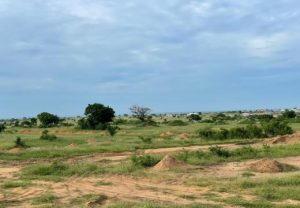

Investing in land or property in Ghana can be highly rewarding; however, understanding the legal landscape is crucial for making a secure and informed purchase.
Types of Land Ownership in Ghana
Land ownership in Ghana falls under different categories, each with distinct legal considerations:
- Customary Land – Managed by stools, skins, families, or clans, following traditional ownership rules.
- State Land – Owned and regulated by the government.
- Vested Land – Controlled by the state on behalf of customary landowners.
Key Legal Documents for Land Acquisition
Before completing a land transaction, ensure you have the necessary legal documents:
- Indenture or Deed of Conveyance – Serves as proof of land transfer between parties.
- Land Title Certificate – Issued by the Lands Commission to officially confirm ownership.
- Site Plan – A document detailing the precise location and dimensions of the land.
Common Challenges in Land Transactions
Navigating property purchases in Ghana comes with potential pitfalls, including:
- Double sales – The same land being sold to multiple buyers.
- Incomplete documentation – Missing or fraudulent paperwork can lead to disputes.
- Encroachment issues – Unauthorised structures or disputes over land boundaries.
Legal Tips for Safe Property Investment
To safeguard your investment, follow these best practices:
- Conduct a land search at the Lands Commission to verify ownership and legal standing.
- Engage a qualified lawyer for due diligence and contract review.
- Avoid paying in full without thoroughly confirming the legitimacy of the transaction.
By adhering to these guidelines, you can confidently navigate Ghana’s land acquisition process and secure a legally sound investment.